Once upon a time—or, perhaps, many times upon a time, for we all know history repeats itself—a sprawling country was made smaller by the laying of railroad. These steel veins gradually spread across America, pumping the lifeblood of adventurers, romantics, migrants, and fortune-seekers all through the growing country.
Somewhere along one of those steel veins, a Traveler boarded a train with nothing but a small suitcase in one hand and a nearly-finished book in the other—a stray finger holding her spot. Where she came from, we can only guess; where she was going, we know even less. What we do know is that her train—its black ponytail waving wildly through the dogwoods—made a stop in the bustling railroad and oil town of Palestine, TX.
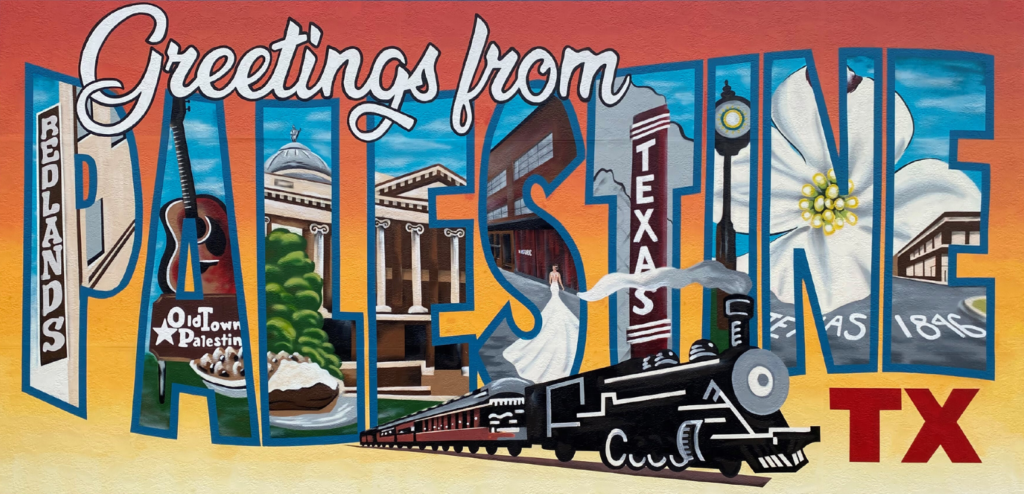
What we also know—and what makes her weekend worth telling nearly 100 years later—is that the Palestine she stepped into is still very much with us today. Vintage trains still run. The courthouse still stands. The theater still glows. What follows is her weekend—and yours, should you decide to take it.
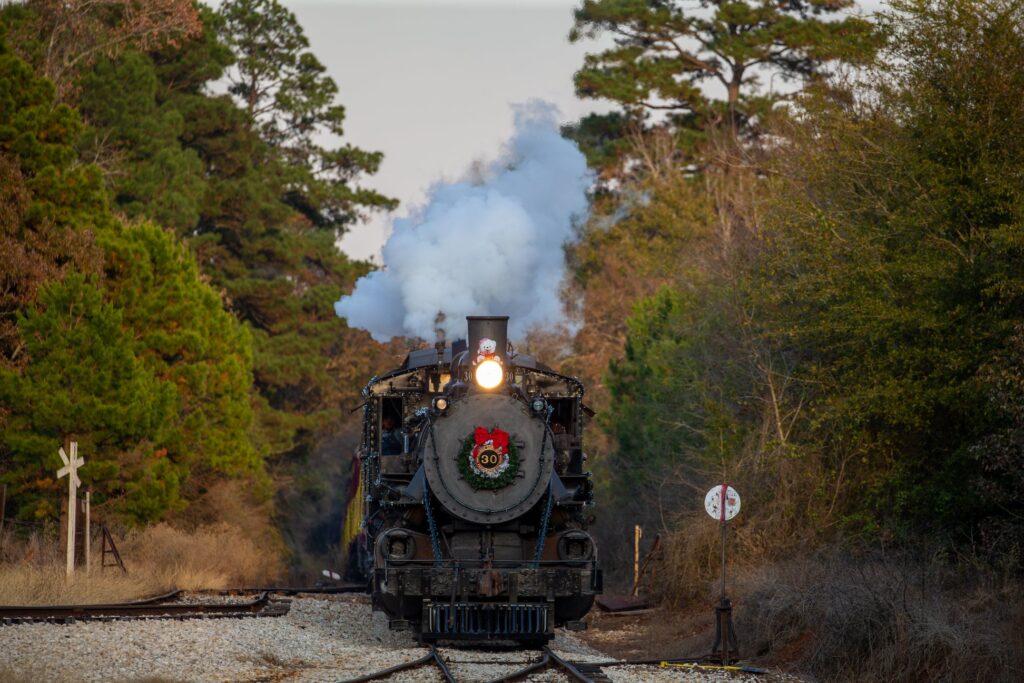
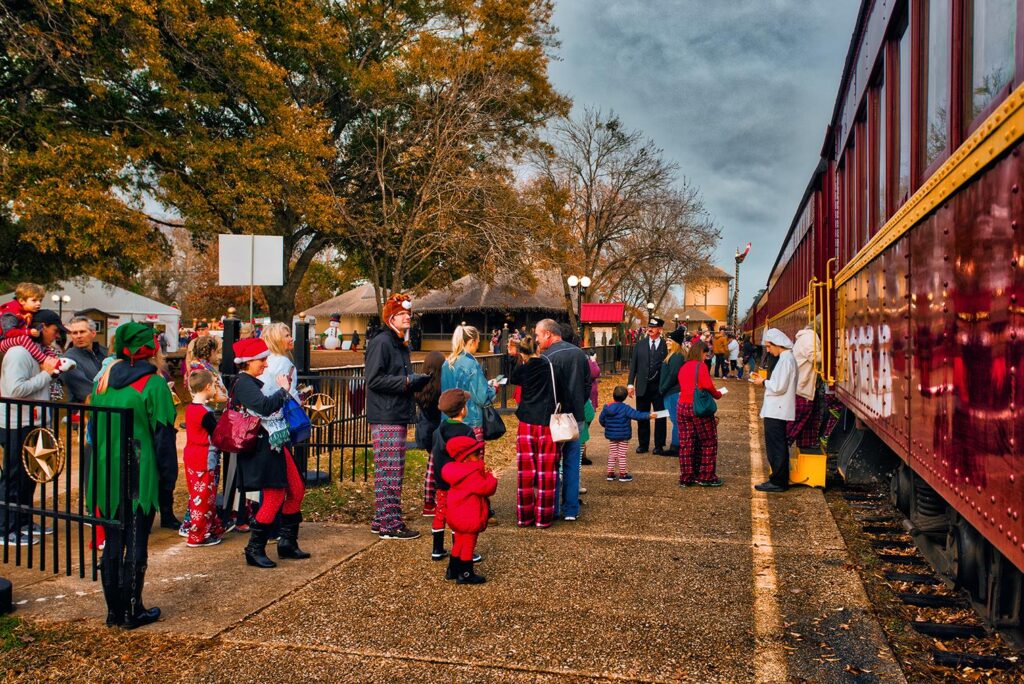
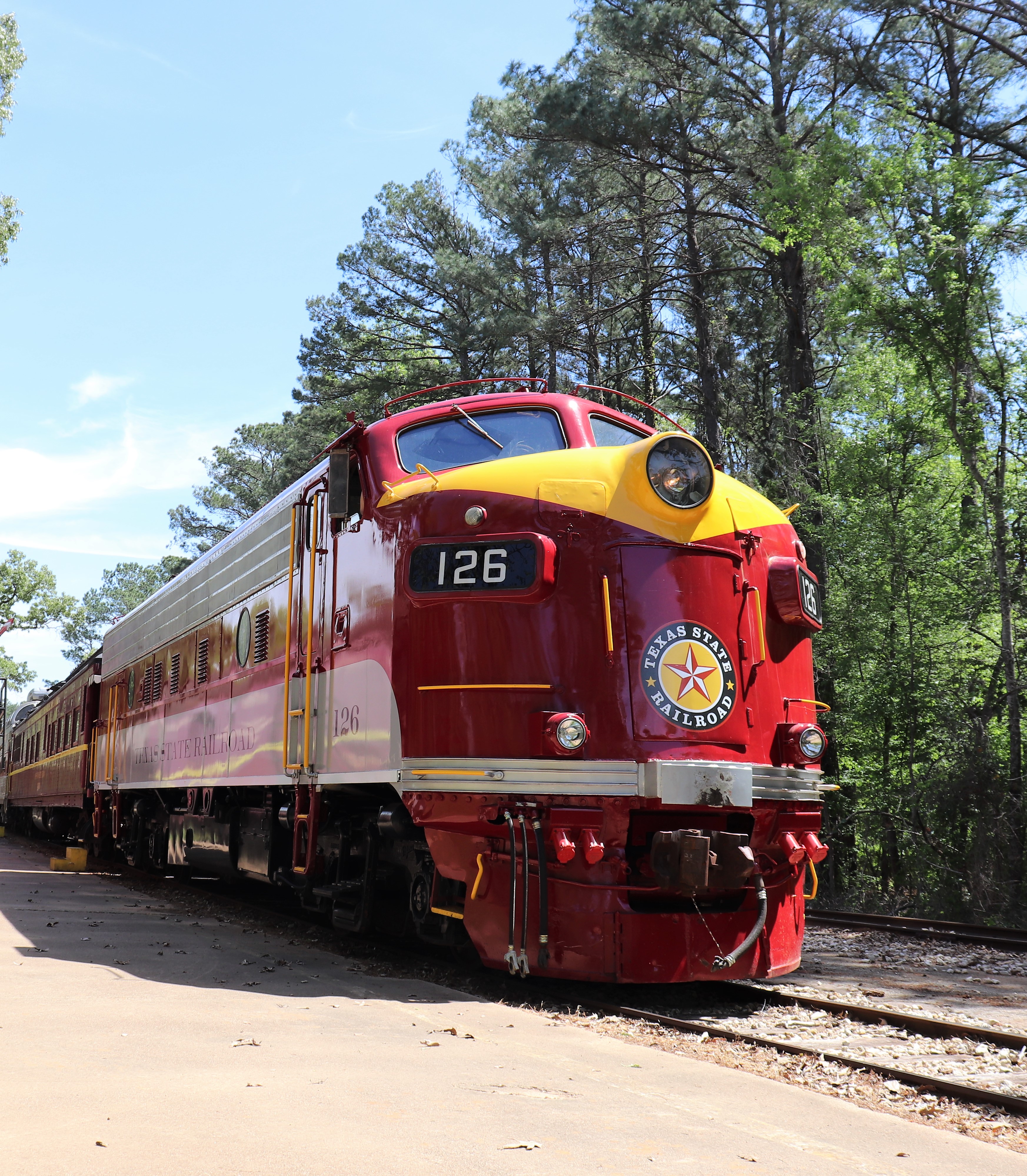
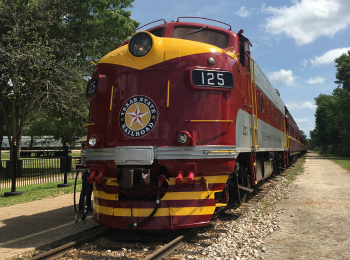
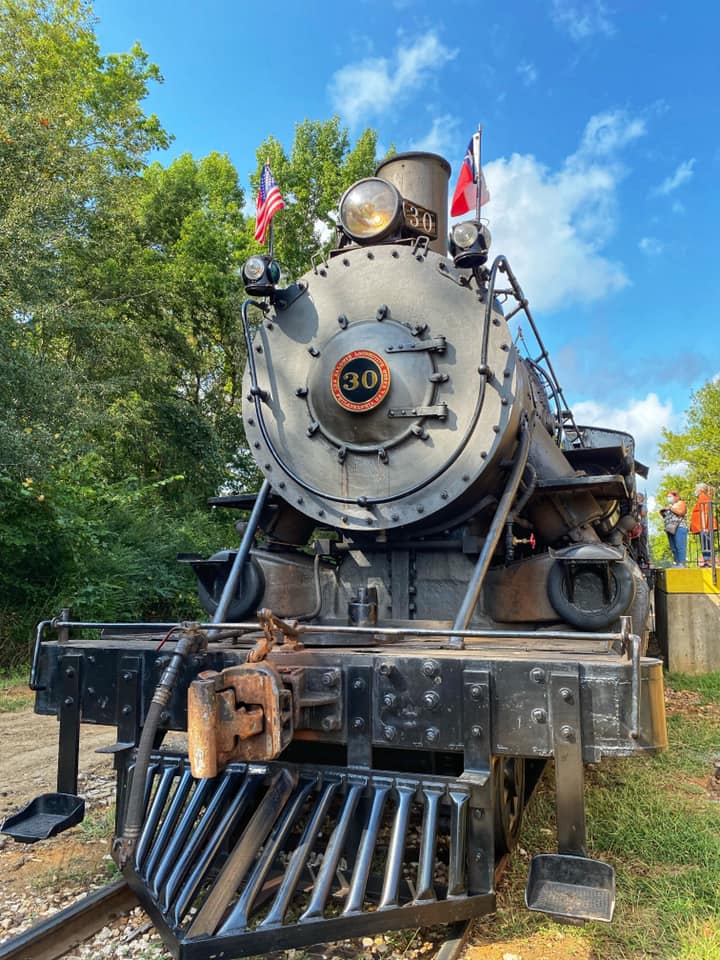
The Vintage Train in Palestine
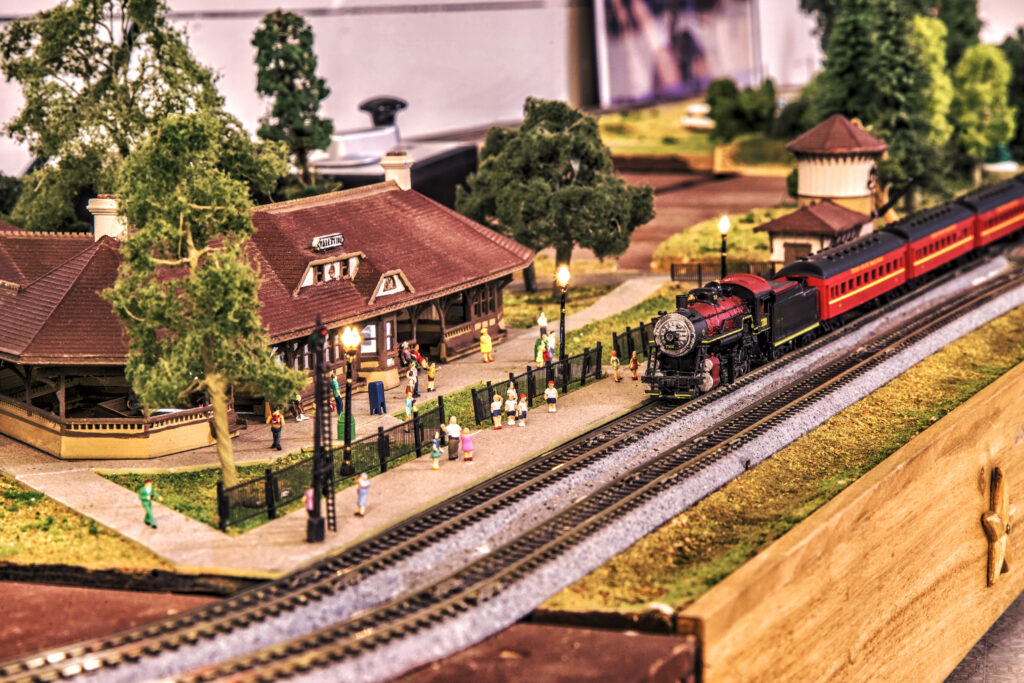
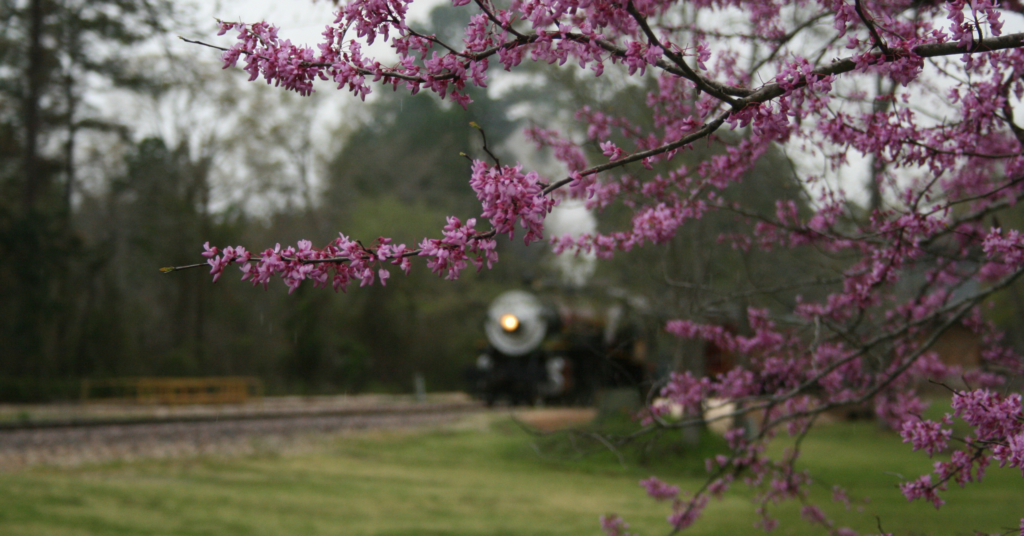
As the black passenger train eased into its last long curve, the Piney Woods thinned into pasture, then cottages and cotton yards, then finally into industrious little Palestine, where the train came to a gradual stop at the depot. From the comfort of her padded seat, the Traveler looked up from her book one last time to admire the regal wood paneling, the elegant brass fittings above the windows that reflected the afternoon light, and the mustachioed conductor who took every spare moment to shine his pocket watch.
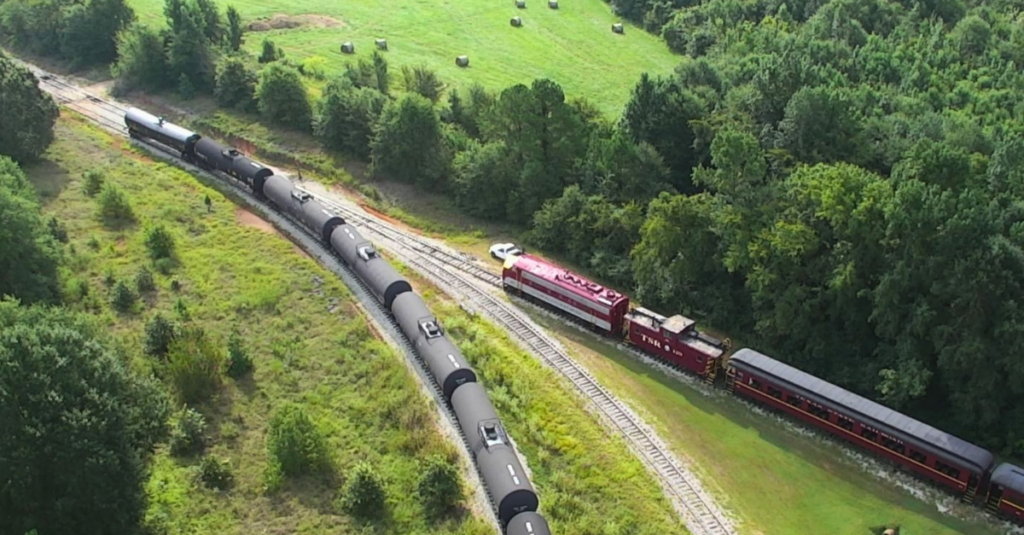
Through the steam of the panting engine grateful for a rest, the Traveler stepped out onto the depot’s platform. Amongst the bustling crowd of comers and goers, a young mother in a lavender traveling suit herded two children in matching outfits toward the depot doors. Leaning against a newspaper stand, a silver-haired oilman in a Stetson hat and polished boots—the Palestine Herald-Press tucked under his arm—waited impatiently to board. A pair of young women in spring dresses sat laughing, sharing a box of Cracker Jacks, destined to miss any coming appointments.
It was the picture of a town in its industrial prime, unburdened by the always uncertain future. Instead, it was at ease with itself and carried a quiet confidence, perhaps most earned through the daily rhythms of its hard-working citizens.
Historic Downtown Palestine
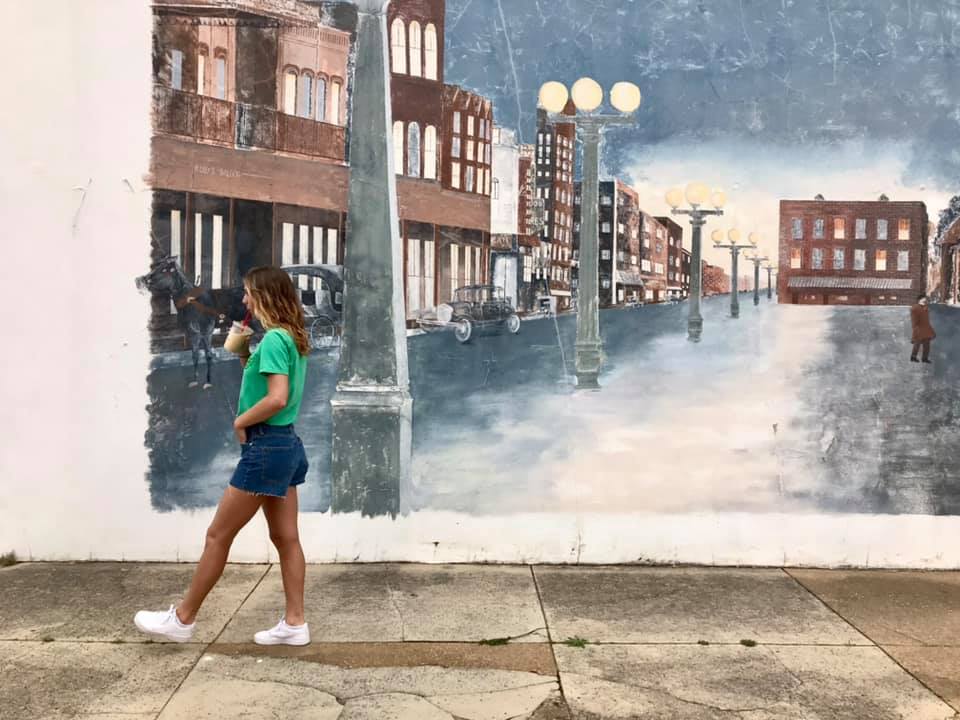
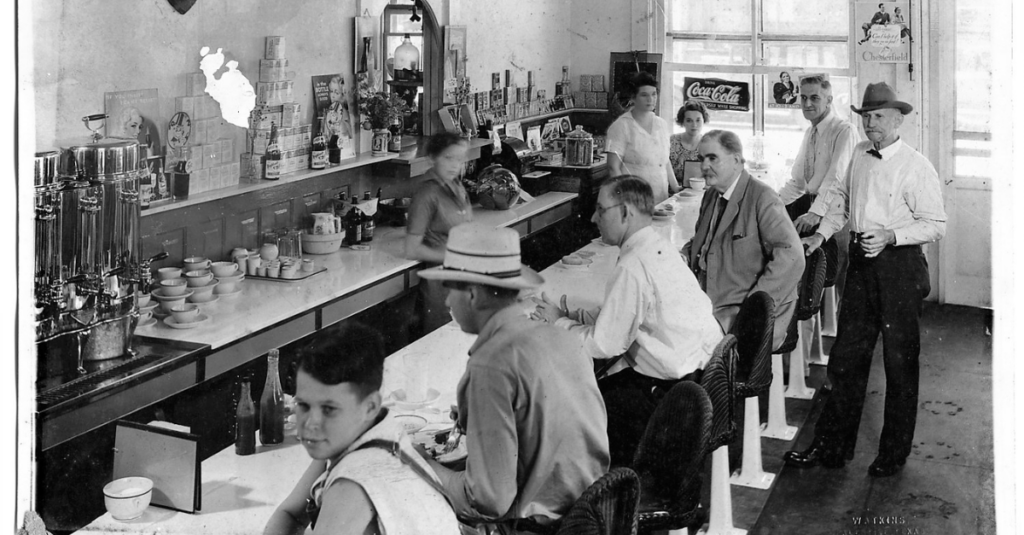
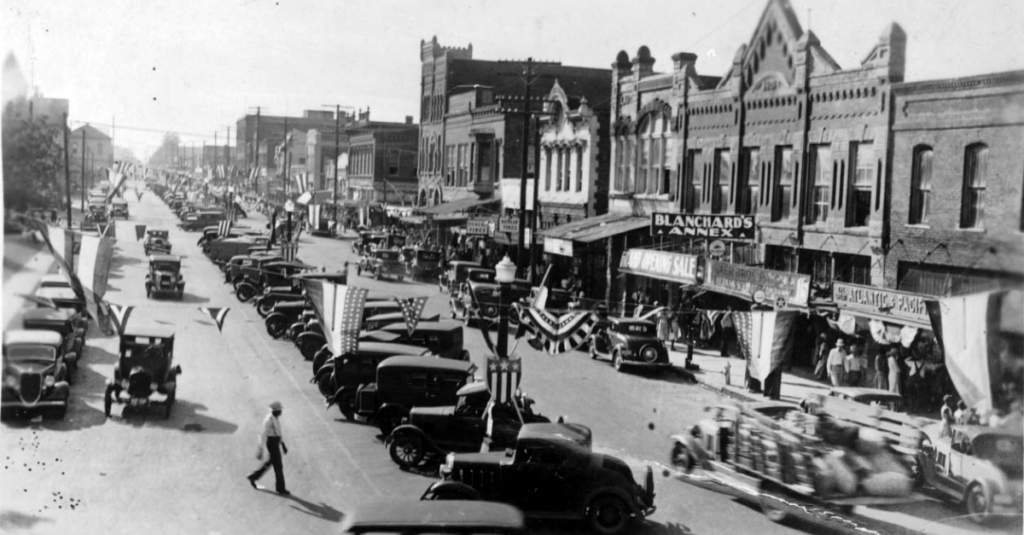
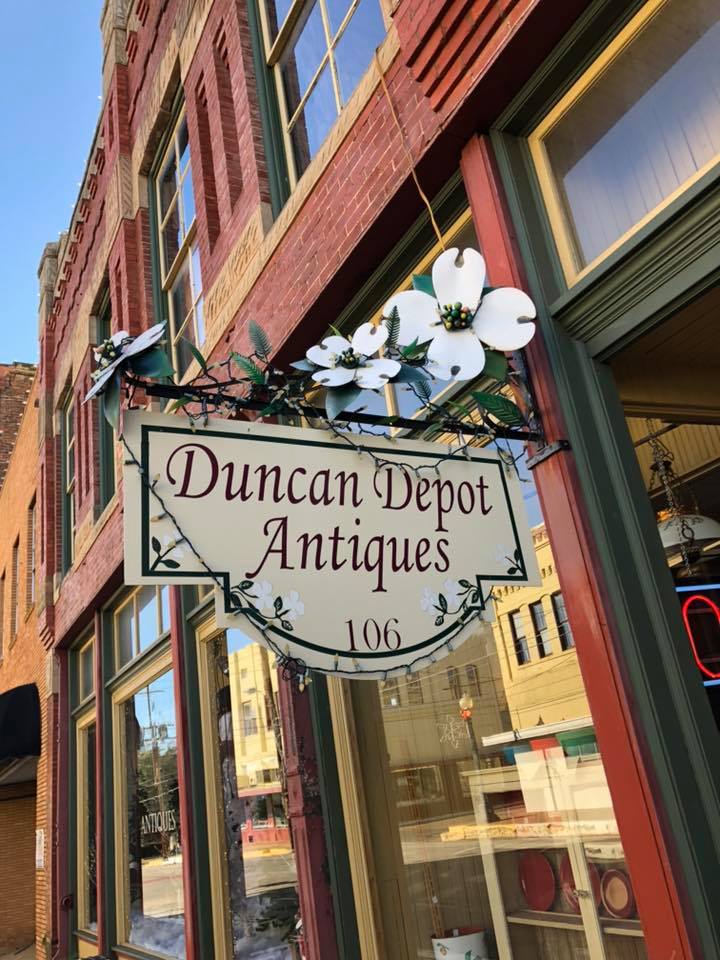
With her suitcase and book, the Traveler went looking for a place to stay the night. Her search took her into the heart of Palestine’s historic downtown—then, not quite as historic as today, but just as central to the energy of the city. Strolling through the long thoroughfare of brick storefronts, lit softly by the electric streetlamps, she passed a hardware store, a boutique with funny hats in the window, and a druggist mixing sodas for a small boy in overalls a size too big.
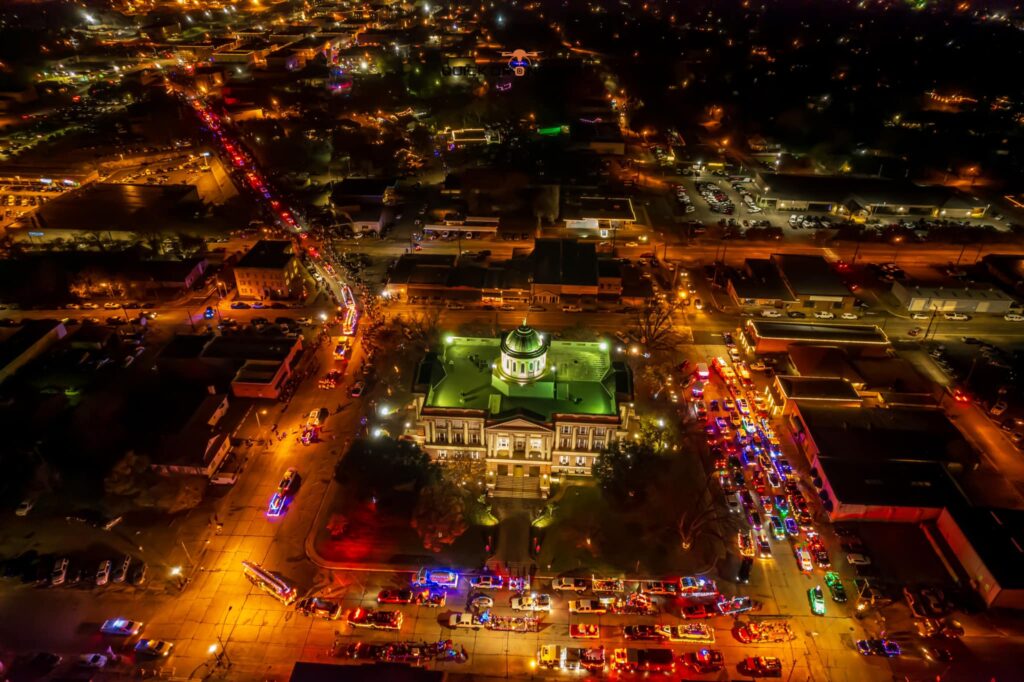
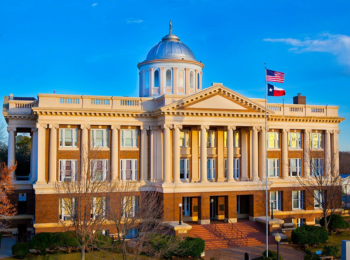
At the end of the street, as if a grand conclusion, appeared the Anderson County Courthouse. The Traveler stood in awe at its three stories of brick and stone in the timeless Beaux-Arts style, columned and pedimented on all four sides. Its imposing dome reflected the setting sun like a crown.
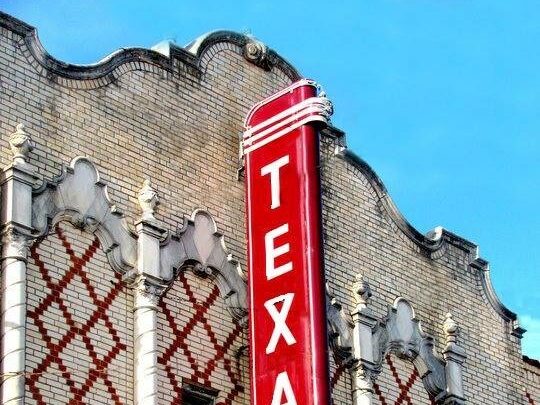
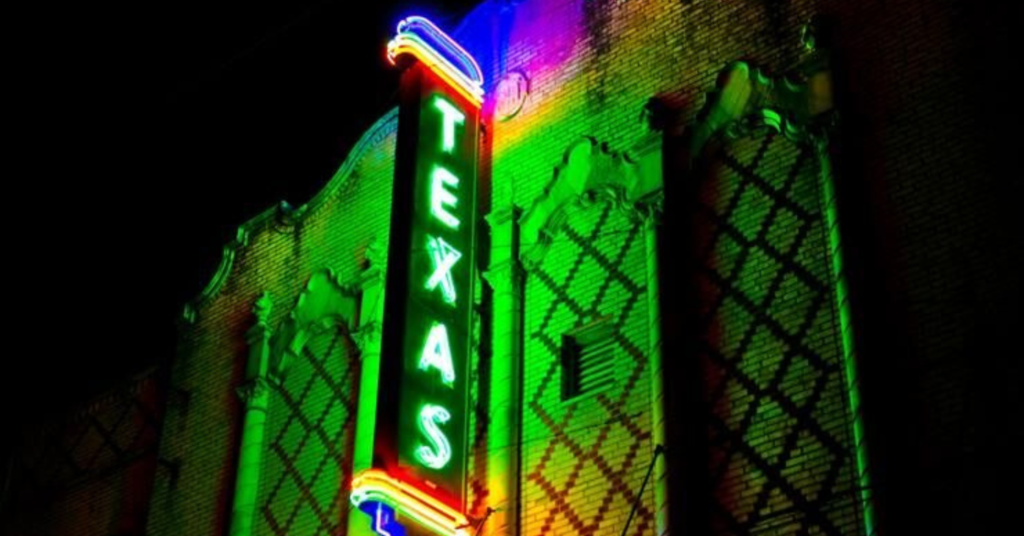
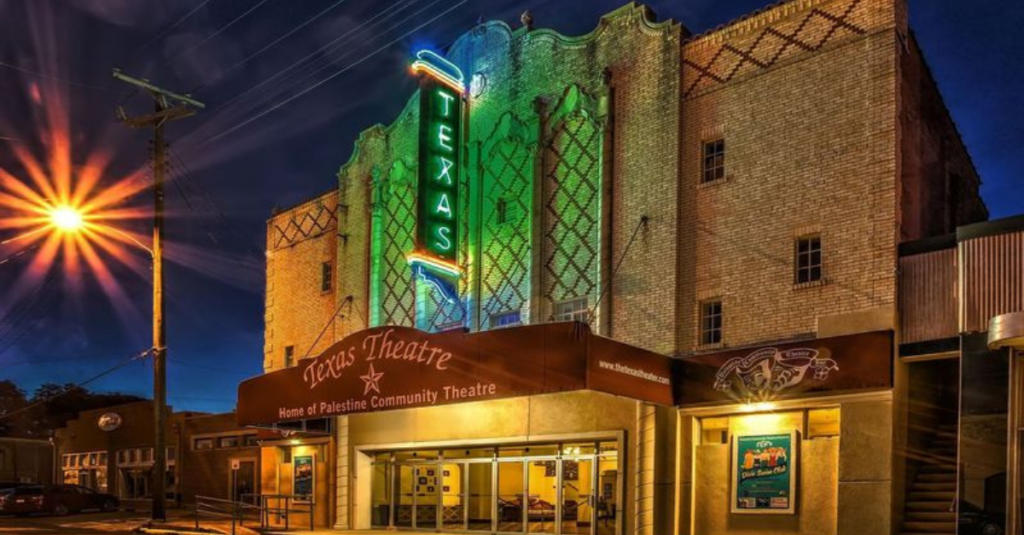
With the courthouse behind her, the Traveler wandered back through downtown, remembering her original objective of finding a place to sleep. After a few blocks of no luck, she came across a long line of people filling up the sidewalk. Her eyes followed them to their source, the Texas Theatre, a crown jewel of Spanish Colonial architecture. As if hypnotized by its neon marquee, painting the crowd and parked Model As in primary colors, she wandered beneath it to get a closer look. All around the ticket booth were posters for what was playing or coming soon: Lost Horizon, A Star is Born, and the latest Marx Brothers film, A Day at the Races. Each spurred her imagination more than the last.
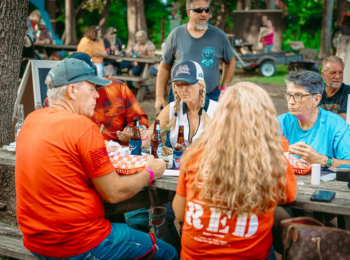
Redlands Hotel
She walked out the theater smelling like butter and salt, her eyes a bit heavier than before. There would be a train leaving tomorrow, so she decided to stay the night and went looking for a hotel. She asked a few friendly locals and each pointed her in the same direction: the Redlands Hotel.
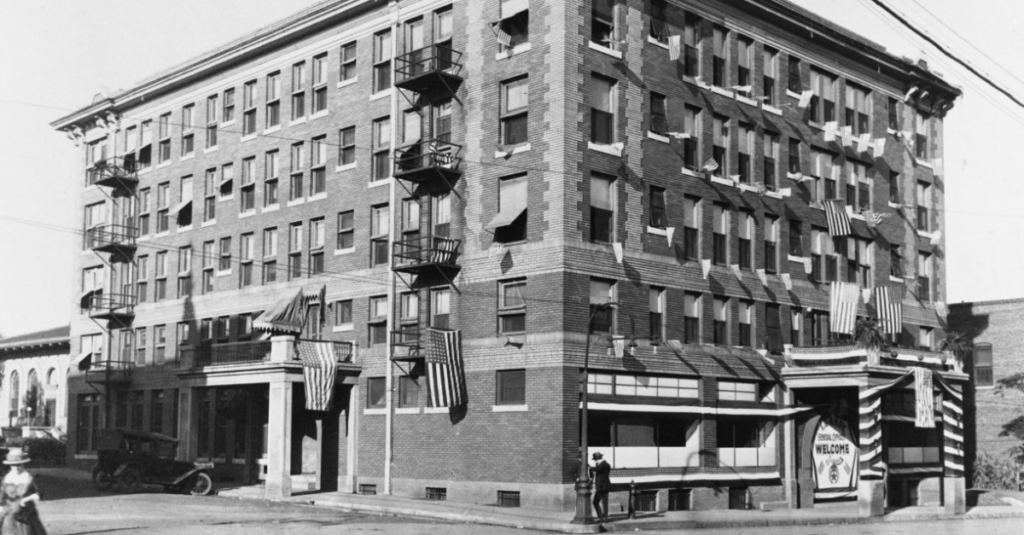
There it stood, visible from the door of the theater and just a block away, draped in American flags and sitting stalwart like an oak tree rooted deep into the ground. There was almost a paternal quality to it: reliable and unpretentious. Inside, the Traveler gazed wide-eyed at the colonnaded lobby, at the end of which stood a dapper clerk behind a desk, trying to find a clear station on the radio. She dropped two dollars into his open palm; he dropped a heavy key into hers. On her way up the staircase, she heard the radio’s fuzz give way to the blazing horns of a jazz band.
From her window, five stories up, the Traveler watched Palestine go quiet for the night. The last automobile turned a corner, a straggler kicked a rock down the empty sidewalk, and all that was left was the distant hum of the streetlamps. She slid into bed, read with the moonlight, turned the final page, and joined the city in sleep.
Carnegie Library
Touched by melancholy that her Palestine visit was coming to an end, the Traveler suddenly remembered that she had finished her book before falling asleep. “Boarding the train without a new book to read would be travel malpractice,” she thought.
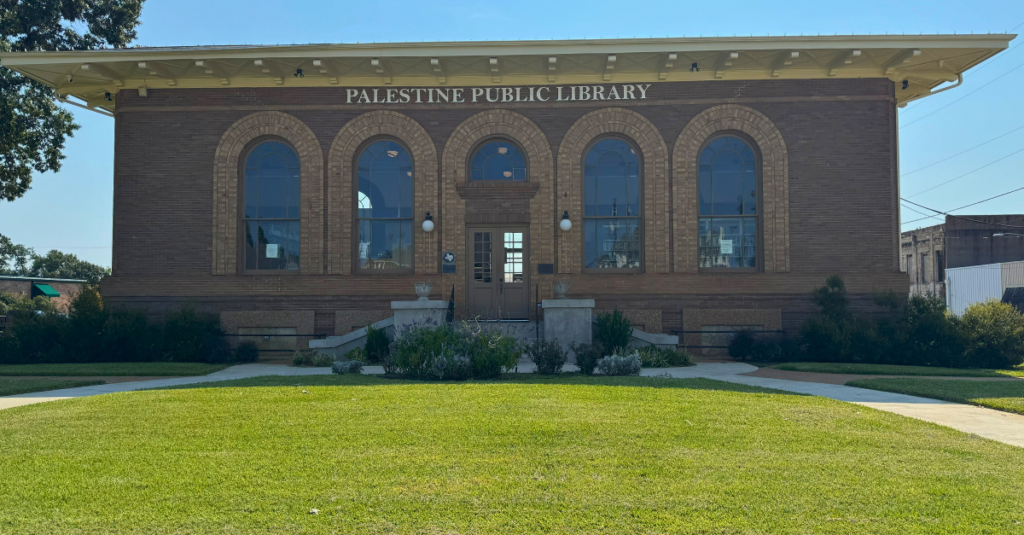
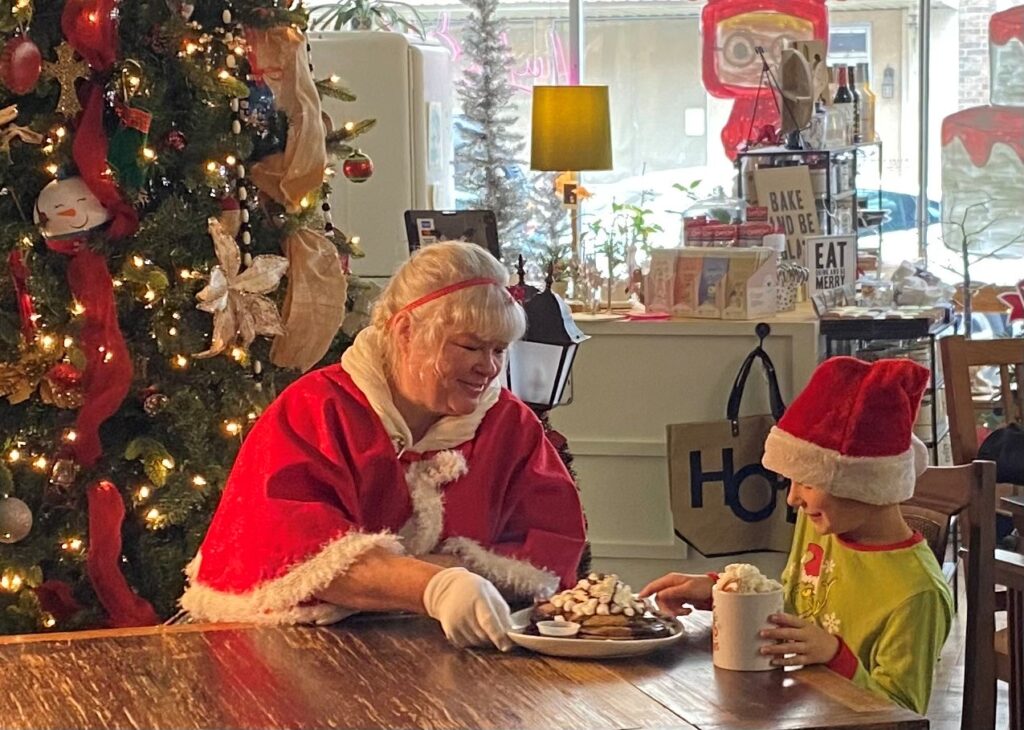
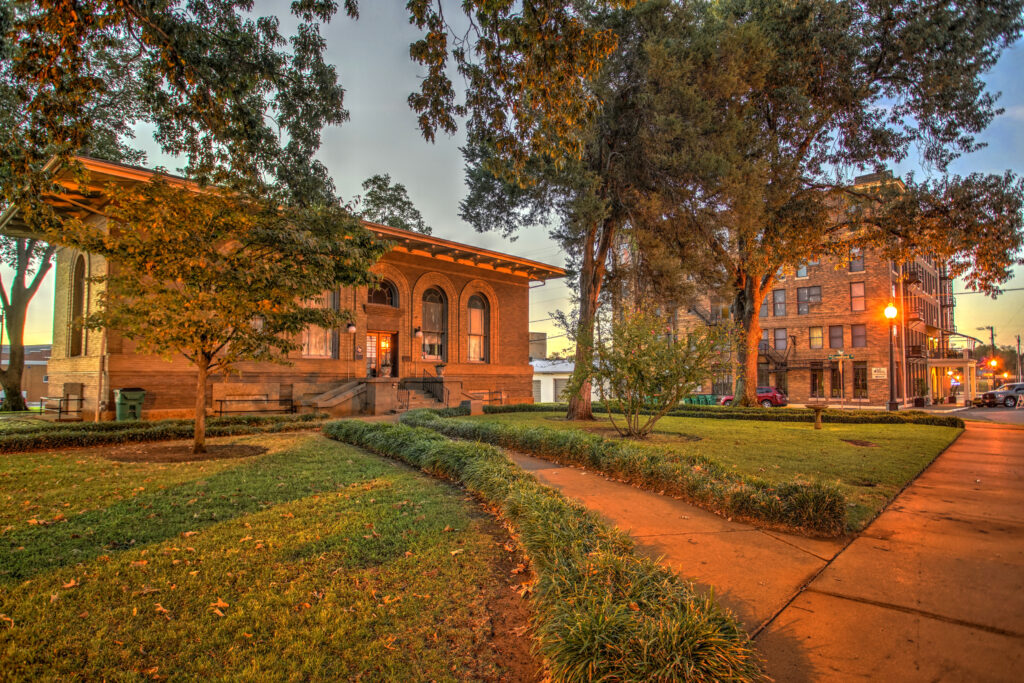
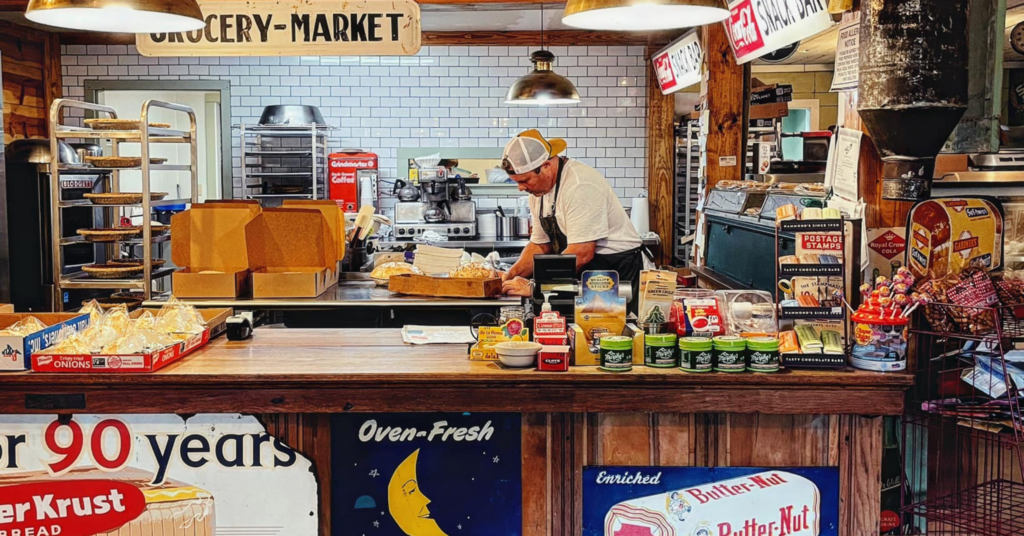
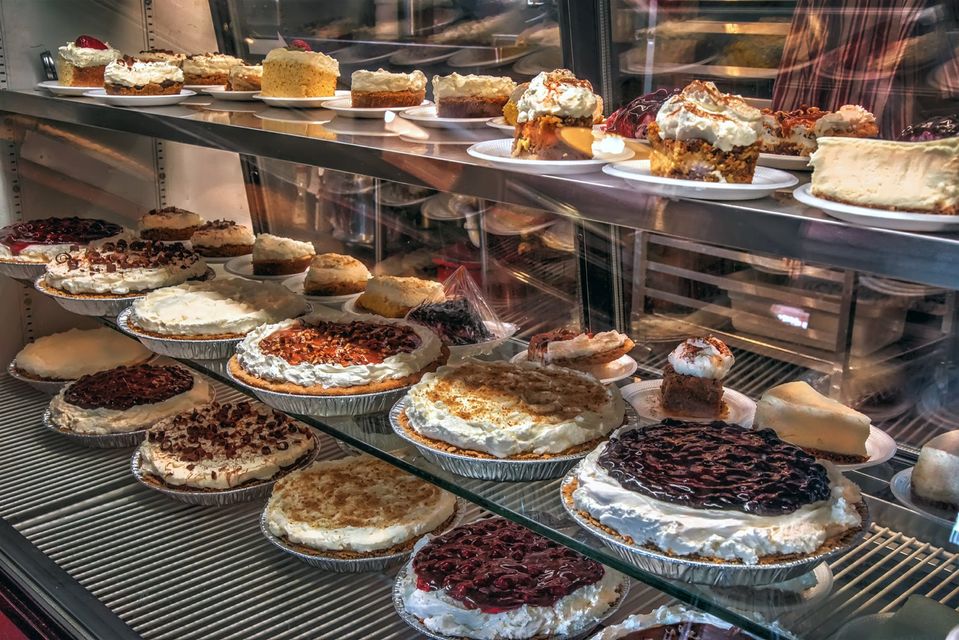
As before, the Traveler turned to the friendly faces of Palestine for advice on where to locate a book to read on her journey back. She stepped into a small bakery on John Street, where a woman with a German accent directed her to Carnegie Library, about a block away. With pride, the baker told her the library was donated by Andrew Carnegie himself. The Traveler thanked the baker by buying a small pecan cake, made with pecans grown in the area.
She walked down the street to Crawford, turned onto Queen Street, and—sure enough—there was the library: sitting under a wide-brimmed eave and featuring massive windows that cast natural light over its readers’ shoulders. When she found herself inside, she felt at home in its thoughtful hush. The old and young quietly perused its shelves, each a traveler in their own way. Our Traveler went from one room to another, passing under great wooden arches, unable to stay in one place for too long.
Book after book, she would pull out and seat herself to read the opening chapter. Fiction, history, romance, science—nothing eluded or bored her. But she couldn’t decide. Each book she pulled seemed like a tease to a great adventure and new perspective. Abruptly, the Traveler’s literary feast was stopped short by the sound of the morning train’s whistle, pulling out of the station.
She wasn’t anxious. She didn’t run out of the library to try and catch it. Instead, she decided she’d stay in Palestine a day or two longer. Truth be told, she’d been waiting to hear that whistle. She wasn’t ready to turn the page on Palestine quite yet.
Conclusion
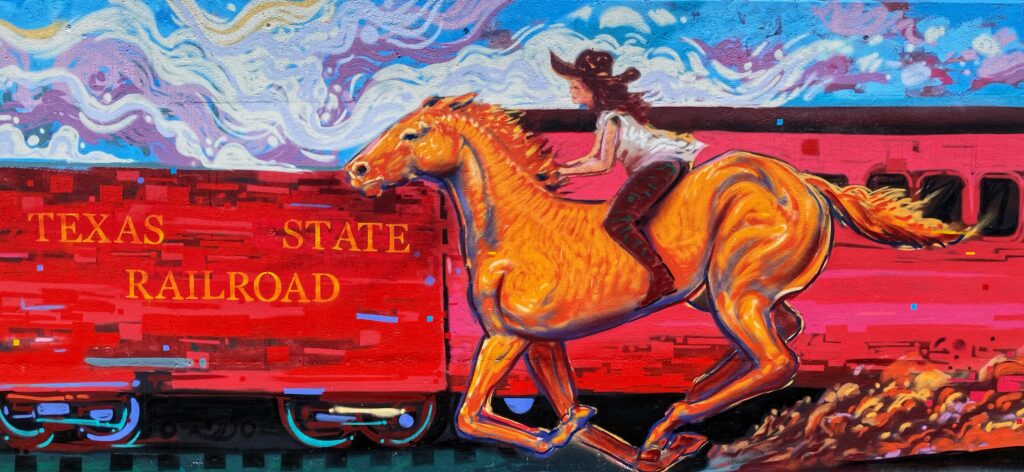
Believe it or not, you can still follow the tracks of the Traveler today. Each of her stops still stands. You can watch the same Piney Woods thin into pasture from the Texas State Railroad, walk the same historic downtown, gaze upon the same Anderson County Courthouse, and catch a show at the same Texas Theatre.
You can watch the town wind down from the same Redlands Hotel and lose track of time at the Carnegie Library. 100 years ago or this coming weekend, Palestine has the sort of old Texas charm that turns a missed train into a blessing.




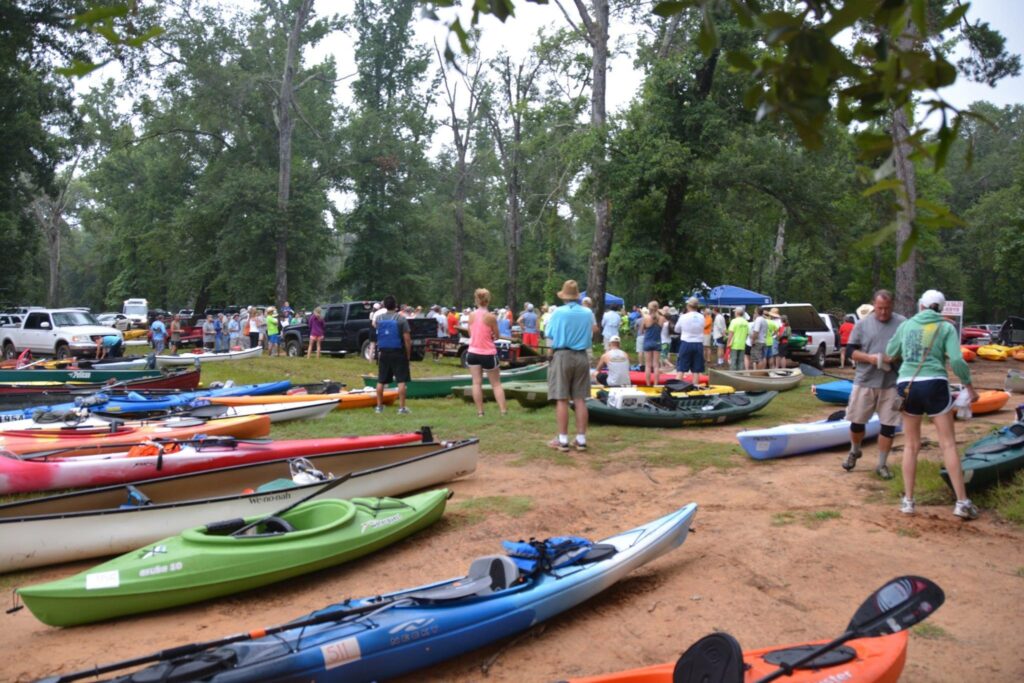
 Neches River Wilderness Race